Source Neon Oxide Pigment Powder for Plastic, Ink, and Ceramic
Explore 30 listings for neon oxide pigment powder suitable for plastic, ink, and ceramic applications. Compare specifications such as particle size, solubility, and packaging options from verified Chinese manufacturers to find the right inorganic effect pigment for your production needs.
Key considerations
Products List





Comprehensive Sourcing Guide
Neon Oxide Pigment Powder Sourcing Guide
Procuring neon oxide pigment powder requires distinguishing between synthetic inorganic effect pigments and standard organic dyes, as the supply chain often lists fluorescent powders with varying chemical bases. Buyers must verify whether the product is an oxide-based inorganic pigment or a synthetic fluorescent powder, as the latter often exhibits different lightfastness and thermal stability profiles. The observed market data indicates a wide range of particle sizes, from 1 to 5 microns, which directly influences dispersion quality in resin and plastic applications.
Sourcing decisions should prioritize suppliers who explicitly define the particle size distribution and solubility characteristics, as insolubility is a common trait for these inorganic oxides. The available listings suggest that customization is frequently offered, allowing buyers to tailor color intensity and particle morphology for specific end-uses like ceramics, coatings, or cosmetics. Understanding these physical distinctions is critical before initiating a purchase order, as the wrong classification can lead to processing failures in high-temperature manufacturing environments.
Product Scope and Observed Listing Signals
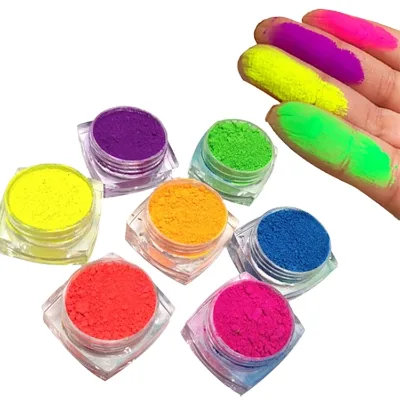
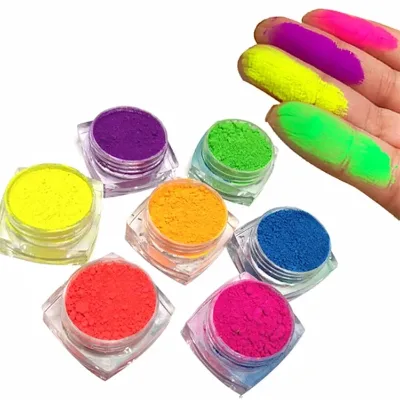
The current market for neon oxide pigments displays a diverse array of color options, including violet, yellow, orange, blue, red, green, brown, black, and white, often packaged in 25kg drums or cartons. Listings frequently highlight specific advantages such as non-toxicity and easy dispersion, which are essential for manufacturers in the textile, paper, and leather industries. However, buyers must carefully cross-reference these claims against the specific model numbers provided, as some entries describe soap-making pigments while others target high-performance plastic applications.
Commercial signals in the listings reveal significant variability in packaging standards, ranging from single items to bulk pallets of 300kg, with some suppliers offering free samples to facilitate testing. The observed price range is broad, reflecting differences in purity, particle size, and the specific type of oxide used, such as chrome oxide green or cobalt blue variants. Procurement teams should treat these price points as indicative rather than fixed, as the final cost will depend heavily on the specific customization requirements and the volume of the order placed.
Technical Specifications to Verify
Verification of particle size is paramount, as observed data ranges from 3 to 5 microns for certain inorganic pigments and 1 to 5 microns for others, directly impacting the final texture and opacity of the product. Buyers must confirm the exact particle size distribution required for their specific application, whether it is for ink, plastic, resin, or cosmetic formulations, to ensure consistent color strength and flow properties. The distinction between granular and powder appearances also warrants attention, as the physical form affects how the pigment integrates into the base material during mixing.
Chemical composition and solubility profiles must be rigorously checked, with many listings specifying insolubility as a key characteristic for oxide-based pigments. It is essential to validate whether the product is a synthetic oxide or a different chemical class, as this determines its compatibility with various solvents and resins. Additionally, the presence of specific colorants like iron oxide yellow or cobalt blue should be confirmed against the required spectral properties to avoid unexpected shifts in hue or brightness in the final manufactured goods.
Compliance and Safety Documentation
Regulatory compliance is a critical factor, with some suppliers citing REACH certification and FDA approval as standard attributes for their cosmetic and food-contact grade pigments. Buyers must request current test reports to verify these claims, as the presence of certifications like EINECS numbers does not automatically guarantee compliance with all regional safety standards. The distinction between non-toxic claims and formal regulatory approval is significant, particularly for applications involving cosmetics, food packaging, or children's toys where strict limits on heavy metals and toxic substances apply.
Safety data sheets (SDS) should be reviewed to confirm handling instructions, especially regarding the potential for dust generation during the dispersion process. While some listings mention advantages like easy handling, the actual safety profile depends on the specific chemical formulation and the presence of any hazardous impurities. Procurement teams should ensure that the supplier provides up-to-date documentation for every batch, verifying that the product meets the specific safety requirements of the destination market and the intended end-use application.
Cost Drivers and Commercial Terms
The cost of neon oxide pigment powder is influenced by several factors, including the complexity of the synthesis process, the purity of the oxide, and the specific particle size required for the application. Listings indicate that production costs can be low for standard grades, but customization and specific color formulations often incur additional charges. Buyers should anticipate that the final price will vary based on the volume ordered, with minimum order quantities ranging from 1kg to 1000kg depending on the supplier's capacity and the specific product model.
Commercial terms regarding shipping and packaging also play a significant role in the total landed cost, with options available for sea, air, or rail transport. The standard packaging of 25kg per drum or carton must be evaluated against the buyer's storage and handling capabilities, as some suppliers offer bulk palletization for larger orders. Negotiating clear terms for lead times and shipping methods is essential, as the variability in production locations, such as Hubei or Guangdong, can impact delivery schedules and logistics expenses.
Supplier Qualification and Quality Control
Evaluating supplier qualifications requires a deep dive into their manufacturing capabilities and quality control systems, particularly given the diverse origins of products listed from Hubei, Jiangsu, and Guangdong provinces. Buyers should verify the supplier's ability to maintain consistent particle size and color consistency across batches, as variations in these parameters can lead to significant quality issues in the final product. The availability of free samples is a positive indicator, but it should be followed by rigorous third-party testing to validate the supplier's claims regarding performance and stability.
Quality control protocols must be established to ensure that the pigment meets the specific requirements for the intended application, whether it is for ceramics, coatings, or plastics. Suppliers offering customization services should demonstrate a robust process for managing these variations, ensuring that the final product matches the agreed-upon specifications. It is crucial to audit the supplier's production facilities and quality assurance records to confirm that they can consistently deliver high-quality neon oxide pigments that meet the buyer's strict performance standards.
Long-Term Procurement Checks
Establishing a long-term procurement strategy involves regular audits of the supplier's ability to maintain consistent quality and supply stability over time. Buyers should implement a schedule for periodic re-testing of incoming batches to ensure that the particle size, color, and chemical composition remain within the specified tolerances. This proactive approach helps mitigate the risk of supply chain disruptions and ensures that the final products manufactured using these pigments maintain their intended performance and aesthetic qualities.
Continuous monitoring of market trends and regulatory changes is also essential, as the requirements for neon oxide pigments may evolve with new safety standards or environmental regulations. Buyers should maintain open communication with their suppliers to stay informed about any changes in production processes or material availability that could impact the supply chain. By fostering a collaborative relationship and maintaining rigorous quality checks, organizations can secure a reliable source of high-quality neon oxide pigments for their ongoing manufacturing needs.
FAQs
What is the particle size of this neon oxide pigment powder?
The particle size ranges from 1 to 5 micrometers, with specific grades available at 3 to 5 micrometers. This fine granularity ensures smooth dispersion in various media. The material is an inorganic effect pigment suitable for applications requiring uniform color distribution and high opacity in final products.
Can this pigment powder be used in plastic and rubber applications?
Yes, it is explicitly designed for use in plastic and rubber applications. The product serves as a versatile pigment for these materials, offering vibrant neon colors. It is also suitable for coatings, inks, and ceramics, providing a broad range of industrial utility for manufacturers seeking durable and stable colorants.
What certifications and standards does this pigment powder meet?
The pigment powder holds REACH certification and is FDA approved for safety compliance. These standards ensure the product meets rigorous regulatory requirements for international trade. Buyers can rely on these certifications for quality assurance, particularly when supplying goods to markets with strict chemical and material safety regulations.
How is the neon oxide pigment powder packaged for shipping?
The product is packaged in 25kg drums or plastic bags with kraft cartons. Larger shipments may be palletized at 300kg per pallet. This robust packaging protects the powder during transit by sea, air, or train, ensuring the material arrives in optimal condition for immediate industrial use or further processing.
What colors are available in this neon oxide pigment powder range?
The available colors include violet, yellow, orange, blue, red, green, brown, black, and white. There are twelve distinct color options to choose from. These vibrant hues are ideal for creating striking visual effects in various applications, allowing for precise color matching and creative formulation in diverse industrial projects.
Is customization available for this inorganic effect pigment powder?
Customization is available for this inorganic effect pigment powder. Buyers can request specific modifications to meet unique production needs. This flexibility allows for tailored solutions in terms of color intensity or physical properties, ensuring the pigment integrates seamlessly into specialized manufacturing processes and final product formulations.